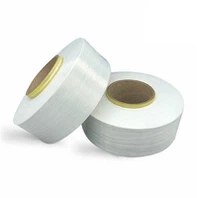
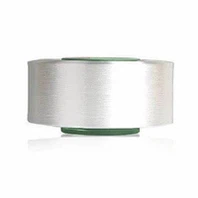
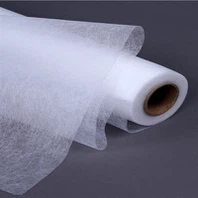
Hot melt yarn, a versatile thermoplastic material known for its bonding properties, is increasingly gaining prominence in the textile industry, not only for its functional benefits but also for its potential in contributing to sustainable manufacturing practices.
Eco-Friendly Material:
 One of the key aspects driving the adoption of hot melt yarn is its eco-friendly nature. Unlike traditional adhesives used in textile bonding, hot melt yarn does not require solvents or harsh chemicals, reducing environmental pollution and minimizing harm to workers' health. Additionally, hot melt yarns made from recycled or biodegradable materials further enhance sustainability efforts by reducing reliance on virgin resources and promoting circularity in textile manufacturing.
Energy Efficiency:
Hot melt yarn offers significant energy savings compared to conventional bonding methods. The heat activation process required for bonding consumes less energy than alternative methods, such as solvent-based adhesives or mechanical fastening techniques. This reduction in energy consumption not only lowers production costs but also contributes to a lower carbon footprint, aligning with the industry's push towards energy-efficient manufacturing practices.
Durability and Longevity:
Textiles bonded with hot melt yarn exhibit enhanced durability and longevity, reducing the need for frequent replacements and extending the lifespan of products. This characteristic is particularly beneficial in applications where longevity is essential, such as in automotive interiors, upholstery, and outdoor gear. By promoting product longevity, hot melt yarn contributes to the reduction of textile waste and supports the principles of a circular economy.
Versatility and Innovation:
Advancements in hot melt yarn technology have led to the development of innovative products with enhanced properties and functionalities. Manufacturers now offer a wide range of hot melt yarns tailored to specific applications, including moisture management, flame resistance, and antimicrobial properties. This versatility enables designers and manufacturers to meet evolving consumer demands for sustainable, high-performance textiles across various industries.
Collaborative Initiatives:
The adoption of hot melt yarn in sustainable textile manufacturing is further propelled by collaborative initiatives and partnerships within the industry. Stakeholders, including yarn producers, textile manufacturers, brands, and researchers, are joining forces to advance sustainable practices, share knowledge, and drive innovation. These collaborative efforts foster a culture of sustainability and accelerate the adoption of eco-friendly materials like hot melt yarn throughout the supply chain.
As the textile industry continues to prioritize sustainability and environmental stewardship, hot melt yarn emerges as a valuable solution for achieving these goals. Its eco-friendly properties, energy efficiency, durability, and versatility make it a preferred choice for manufacturers seeking to reduce their environmental impact while meeting consumer demand for sustainable products. By embracing hot melt yarn and integrating it into their production processes, textile companies can play a significant role in shaping a more sustainable future for the industry.