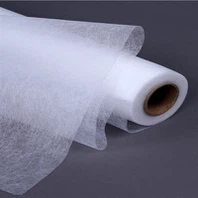
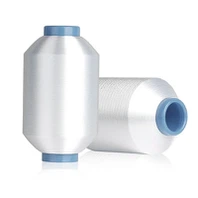
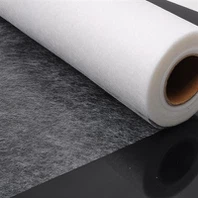
The softness of hot melt yarn can vary depending on factors such as the type of thermoplastic material used, the specific blend or composition of the yarn, and the manufacturing process. Generally speaking, heat melt yarns made from materials like polyester or nylon have a soft and smooth texture, especially compared to traditional yarns made from natural fibers like cotton or wool.

The softness of hot melt yarns is usually enhanced by factors such as the fineness of the yarn fibers and the surface treatment used during the production process. Technology is also used if necessary to improve the feel of the yarn, resulting in a softer, more comfortable texture.
However, it is worth noting that the softness of a hot melt yarn may also be affected by the intended application and desired properties of the final product. For example, yarns used in applications where durability or strength is critical may have a slightly stiffer feel to ensure structural integrity.
As a result, thermofusion yarns can provide the balance of softness and performance required, making them suitable for a wide range of applications in textiles, apparel and other industries where comfort and quality are critical.