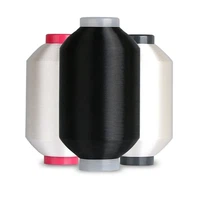
Choosing hot melt yarn for making sacks offers several advantages that contribute to the durability, strength, and overall quality of the final product:
Enhanced Bonding Strength:
Hot melt yarn provides excellent bonding strength when used in the construction of sacks. The thermoplastic properties of the yarn allow it to melt and fuse with the sack material, creating strong and secure seams and preventing unraveling or fraying over time.
Improved Durability:
Sacks manufactured with hot melt yarn exhibit enhanced durability, able to withstand the rigors of handling, transportation, and storage. The strong bond created by the yarn reinforces the seams and prevents tears or breakages, ensuring that the contents remain protected throughout the supply chain.

Resistance to Moisture and Environmental Factors:
Hot melt yarns are often resistant to moisture and environmental factors, making them suitable for use in sacks intended for outdoor or industrial applications. The yarn's resistance to water, UV radiation, and chemicals helps maintain the integrity of the sacks, even in harsh or demanding environments.
Seamless Construction:
Hot melt yarn enables seamless construction of sacks, eliminating the need for stitching or sewing. This seamless design minimizes weak points in the sack's structure and reduces the risk of leakage or damage, particularly for sacks containing granular or powdery materials.
Customization Options:
Manufacturers can customize hot melt yarns to meet specific requirements for sack production. This includes selecting yarns of different thicknesses, colors, or compositions to achieve desired properties such as tensile strength, flexibility, or aesthetics.
Increased Production Efficiency:
Hot melt yarns can be applied using automated processes, leading to increased production efficiency and lower labor costs. Automated equipment allows for precise application of the yarn, ensuring consistent seam quality and reducing the likelihood of errors or defects in the finished sacks.
Compatibility with Various Materials:
Hot melt yarns are compatible with a wide range of sack materials, including woven and non-woven fabrics, plastics, and laminates. This compatibility allows manufacturers to choose the most suitable materials for their specific application requirements while still benefiting from the bonding strength and durability of hot melt yarn.
Cost-Effectiveness:
In many cases, using hot melt yarn for sack production can be cost-effective compared to alternative bonding methods. The durability and longevity of sacks made with hot melt yarn may reduce the need for frequent replacements, resulting in long-term cost savings for manufacturers and end-users alike.
Overall, choosing hot melt yarn for making sacks offers numerous advantages, including enhanced bonding strength, improved durability, resistance to environmental factors, seamless construction, customization options, increased production efficiency, compatibility with various materials, and cost-effectiveness. These benefits make hot melt yarn an attractive option for manufacturers seeking to produce high-quality, reliable sacks for a wide range of applications.