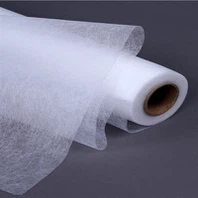
Temperature resistance is a crucial aspect of evaluating the performance and suitability of hot melt yarn for various applications. The ability of hot melt yarn to withstand temperature fluctuations is vital in determining its effectiveness in specific environments and applications. Let's delve into the key considerations and factors related to temperature resistance in hot melt yarn:
 1. Melting Point:
The melting point of hot melt yarn is a critical factor. It represents the temperature at which the thermoplastic adhesive within the yarn transforms from a solid to a liquid state. Understanding this point is essential to ensuring the integrity of the bonded materials under different temperature conditions.
Contact us for the best price now !
2. Application Temperature:
Consider the temperature at which the hot melt yarn is applied during the bonding process. Different formulations of hot melt yarn may have specific application temperature requirements. It's crucial to adhere to the recommended application temperature for optimal bonding strength.
3. Operational Temperature Range:
Assess the operational temperature range of the materials bonded with hot melt yarn. Ensure that the temperature resistance of the yarn aligns with the intended use of the final product. This is particularly important in applications where the bonded materials may be exposed to high or low temperatures during their lifecycle.
4. Resistance to Heat and Cold:
Hot melt yarn should exhibit resistance to both heat and cold conditions. This is essential for maintaining the integrity of the bond in diverse environments. Resistance to heat prevents premature melting, while resistance to cold ensures that the bond remains stable in lower temperature settings.
5. Thermal Stability:
Evaluate the thermal stability of the hot melt yarn over time. Some formulations may exhibit better stability, retaining their adhesive properties even after prolonged exposure to temperature variations. Thermal stability contributes to the long-term effectiveness of the bonded materials.
6. Environmental Factors:
Consider the specific environmental factors that the hot melt yarn will encounter. For example, if the bonded materials will be exposed to direct sunlight or outdoor conditions, the temperature resistance should be suitable for those environmental variables.
 7. Bond Strength at Different Temperatures:
Assess how the bond strength of materials bonded with hot melt yarn varies across different temperatures. Understanding how the adhesive properties perform in a range of temperatures ensures that the final product maintains structural integrity under diverse conditions.
8. Application-Specific Requirements:
Different applications may have unique temperature requirements. For example, automotive interiors, outdoor gear, or electronic components may experience varying temperature conditions. Tailor the choice of hot melt yarn to meet the specific temperature demands of the intended application.
9. Testing and Quality Assurance:
Rigorous testing and quality assurance processes are essential for verifying the temperature resistance of hot melt yarn. Conducting tests under simulated or real environmental conditions helps ensure that the yarn meets the specified performance criteria.
10. Manufacturer's Recommendations:
Always refer to the manufacturer's recommendations and guidelines regarding temperature resistance. Manufacturers provide valuable information on the ideal conditions for using their hot melt yarn products, including temperature-related specifications.
Understanding temperature resistance in hot melt yarn is pivotal for ensuring its reliability and functionality in a wide range of applications. By carefully considering these factors and adhering to best practices, manufacturers and users can harness the full potential of hot melt yarn in diverse temperature environments.