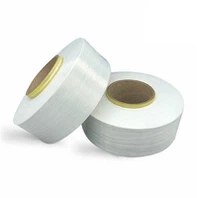
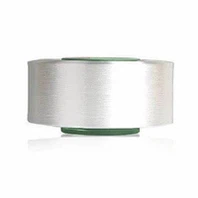
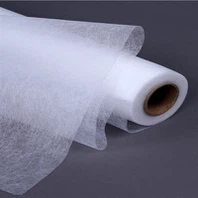
In the realm of textile bonding, the choice between hot melt yarn and traditional sewing thread marks a pivotal decision that influences the characteristics and performance of the final product. Let's delve into a comparative analysis to understand the distinctions between hot melt yarn and sewing thread:
 1. Bonding Mechanism:
Hot Melt Yarn: Relies on a thermoplastic adhesive that melts upon heat application, creating a strong bond between textile components.
Sewing Thread: Utilizes physical stitches to join fabrics together, relying on the thread's tensile strength.
Contact us for the best price now !
2. Strength and Durability:
Hot Melt Yarn: Offers a robust bond, contributing to enhanced strength and durability. The melted thermoplastic creates a seamless and durable connection between fabrics.
Sewing Thread: The strength of the seam in sewing depends on the type of stitch and the thread's tensile strength. While strong, sewn seams may be more susceptible to wear over time.
3. Versatility:
Hot Melt Yarn: Versatile in bonding various materials, including technical fabrics, without the need for perforating the material.
Sewing Thread: Versatile but may require different thread types for various fabrics. The sewing process involves creating perforations in the fabric.
4. Water Resistance:
Hot Melt Yarn: This can provide water-resistant bonds, as the melted thermoplastic creates a barrier against moisture.
Sewing Thread: Traditional sewing may create needle holes that compromise water resistance. However, specialized waterproofing techniques can be applied.
5. Speed and Efficiency:
Hot Melt Yarn: Generally offers faster bonding in automated processes, contributing to efficient manufacturing.
Sewing Thread: Sewing can be time-consuming, especially for intricate patterns or detailed designs, and may require skilled labor.
 6. Design Flexibility:
Hot Melt Yarn: This enables intricate and customizable designs, as the melted yarn can be molded into various shapes and patterns.
Sewing Thread: Limited in design flexibility compared to hot melt yarn, especially in terms of creating 3D designs or complex patterns.
7. Environmental Impact:
Hot Melt Yarn: The choice of materials and adhesives can impact the environmental friendliness of hot melt yarn. Some formulations may be more eco-friendly than others.
Sewing Thread: Generally considered environmentally friendly, especially when using natural fibers like cotton. However, the overall impact depends on the thread and fabric choices.
8. Automation and Industrial Processes:
Hot Melt Yarn: Well-suited for automated processes, contributing to increased efficiency and productivity in industrial settings.
Sewing Thread: While automation is possible, sewing often requires skilled operators, and highly complex patterns may be challenging to achieve efficiently.
9. Comfort in Wearable Items:
Hot Melt Yarn: Creates flat and smooth bonds, enhancing comfort in wearable items like clothing or accessories.
Sewing Thread: Depending on the sewing technique, seams may be bulkier and less smooth, potentially impacting comfort.
10. Repair and Alteration:
Hot Melt Yarn: Repairs and alterations can be challenging due to the nature of the melted bond. Replacement or removal may be more intricate.
Sewing Thread: Easier to repair and alter, as stitches can be undone or modified with relative ease.
The choice between hot melt yarn and sewing thread depends on the specific requirements of the application. Hot melt yarn excels in efficiency, strength, and design flexibility, especially in automated industrial settings, while sewing thread offers versatility and ease of alteration. The decision should consider factors such as the desired properties of the final product, the manufacturing process, and the environmental impact.