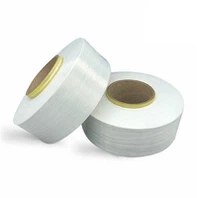
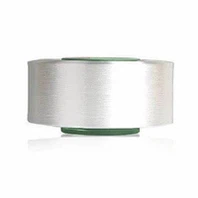
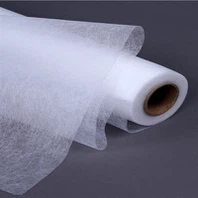
Dealing with uneven melting of hot melt yarn is crucial to ensure consistent and reliable bonding in applications. Here are some steps to address and prevent issues related to uneven melting:

Temperature Control:
Ensure that the temperature of the hot melt yarn application system is accurately set and maintained. Variations in temperature can lead to uneven melting. Regularly check and calibrate temperature settings according to the manufacturer's recommendations.
Evaluate Heating Elements:
Inspect the heating elements, such as nozzles or applicator heads, for any signs of damage or wear. Uneven heating can result from malfunctioning or degraded components. Replace or repair any faulty heating elements promptly.
Optimize Processing Speed:
Adjust the processing speed of the manufacturing equipment to match the recommended application rate for the specific hot melt yarn being used. Inconsistent melting may occur if the processing speed is too fast or too slow.
Check Material Compatibility:
Ensure that the hot melt yarn is compatible with the substrates being bonded. Mismatched materials may have different melting characteristics, leading to uneven bonding. Verify compatibility with the manufacturer or supplier.
Evaluate Dwell Time:
Dwell time, the duration that the materials are in contact with the hot melt yarn, can influence melting. Adjust the dwell time to allow sufficient bonding and melting to occur uniformly across the application area.
Clean Application Equipment:
Residue or buildup on application equipment, such as nozzles or dispensers, can lead to uneven melting. Regularly clean and maintain these components to prevent clogging and ensure consistent application.
Inspect Material Thickness:
Uneven melting may result from variations in material thickness. Ensure that the substrates are uniform in thickness to promote consistent heat transfer and melting.
Consider Pre-Heating Substrates:
In some cases, pre-heating the substrates before applying the hot melt yarn can promote more even melting. This approach is especially useful when dealing with materials that have different thermal conductivity.
Use Quality Hot Melt Yarn:
Ensure that you are using a high-quality hot melt yarn that is designed for the specific application. Consult with the supplier to confirm that the chosen hot melt yarn is suitable for the intended materials and processing conditions.
Implement Process Monitoring:
Employ process monitoring systems to detect and address any irregularities in melting during production. Real-time monitoring allows for immediate adjustments to maintain consistency.
Conduct Regular Maintenance:
Implement a routine maintenance schedule for all hot melt yarn application equipment. This includes cleaning, lubricating, and inspecting components to identify and address potential issues before they affect production.
By addressing these factors, manufacturers can enhance the uniformity of hot melt yarn melting, resulting in more reliable and consistent bonding in various applications. Regular monitoring and proactive maintenance are key elements in preventing and resolving issues related to uneven melting.