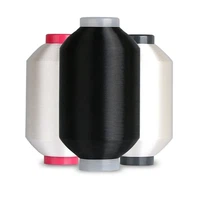
Choosing the right fusible yarn for your project involves considering several key factors to ensure the best results. Fusible yarns are specially designed to bond with fabrics when heat is applied, making them ideal for a variety of applications such as applique, embroidery, or creating structured shapes in garment making.
Here's a guide on how to choose the right fusible yarn for your project:
1. Understand the Type of Fusible Yarn
Fusible yarns come in different types, primarily based on their structure and bonding properties:
Single-Fuse Yarns: These are designed to bond with the fabric during the first heat application, making them ideal for lightweight projects.
Double-Fuse Yarns: These have a more durable fusible coating, which allows them to bond more strongly and securely. They are best for projects that require a more permanent bond or for heavier fabrics.
2. Consider the Fabric Type
The type of fabric you're working with plays a significant role in determining the right fusible yarn:
Lightweight Fabrics: For delicate fabrics like cotton, silk, or lightweight polyester, opt for a fusible yarn that is soft, flexible, and won't stiffen the fabric too much.
Heavier Fabrics: If working with thicker fabrics like denim, canvas, or wool, choose a fusible yarn with a stronger bond and more durable fusible coating to withstand the weight of the material.
3. Think About the Desired Outcome
Fusible yarns can create various effects depending on the desired outcome:
Firmness and Structure: If you want your project to have a firm structure (such as in collars, cuffs, or shaped garments), choose a fusible yarn that adds rigidity and strength.
Softness and Drape: For projects that require softness or flexibility (like drapery or delicate garment details), select a fusible yarn that enhances the fabric without adding too much stiffness.

4. Match the Yarn Weight to the Project
The weight of the fusible yarn should complement the weight of the fabric:
Lightweight Yarns: These are ideal for finer fabrics and detailed embroidery work where the bond doesn't need to be too heavy-handed.
Heavyweight Yarns: Use these for projects where durability and strength are paramount, such as reinforcing seams, hems, or areas of heavy wear.
5. Check the Heat Sensitivity
Different fusible yarns have varying degrees of heat sensitivity. Some fuse quickly and effectively at lower temperatures, while others require higher temperatures or longer pressing time. Ensure the fusible yarn is compatible with the heat settings of your iron or press, and always follow the manufacturer's instructions to avoid damaging the fabric or the yarn.
6. Consider the Color of the Fusible Yarn
Fusible yarns are typically available in a variety of colors to match or complement your fabric. In most cases, it's best to choose a fusible yarn that closely matches the fabric color, especially for projects where the yarn will be visible, like in decorative stitching or embroidery.
7. Evaluate Durability and Washability
Ensure that the fusible yarn is designed for the specific care requirements of your project. Some fusible yarns may lose their bond after multiple washes, while others are designed to withstand regular washing and dry cleaning. Check for washability instructions to ensure your chosen yarn will hold up under the expected use and care.
8. Test Before Committing
If you're unsure about the fusible yarn's effect on your fabric, it's always a good idea to test it on a small scrap piece of fabric first. This will allow you to check for any unwanted reactions, such as fabric discoloration or incomplete bonding.
The right fusible yarn depends on the fabric type, desired outcome, and specific project requirements. Consider factors like yarn weight, heat sensitivity, and washability to make an informed choice. With the right fusible yarn, you can enhance your project's functionality and aesthetic, creating a clean and professional finish.