

Blistering in hot melt yarn processing is a common issue that can affect the quality of the final product. It occurs when air or gas is trapped inside the molten polymer during extrusion or processing, causing bubbles or blisters to form on the surface of the yarn. These blisters can lead to defects in the yarn's structure, affecting its strength, texture, and appearance. Dealing with blistering requires understanding its causes and implementing appropriate solutions.
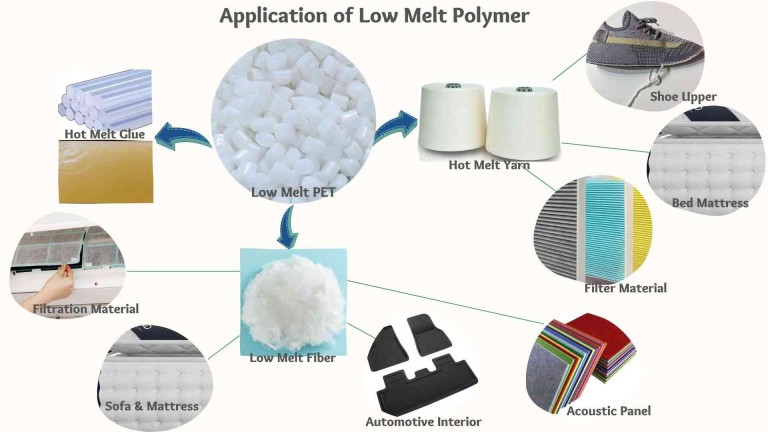
Common Causes of Blistering:
Excessive Heat: Overheating the polymer during the extrusion process can cause degradation or vaporization of volatile substances in the polymer, leading to the formation of gas bubbles that create blisters.
Contaminants: Presence of moisture, dirt, or other foreign materials in the polymer can result in trapped air or gas during processing, leading to blister formation. Moisture in particular can vaporize during extrusion, creating steam and leading to blisters.
Incorrect Cooling: Improper or uneven cooling of the molten yarn can result in rapid cooling of the outer layer while the inner part remains molten. This can cause internal pressure to build up, leading to blistering.
Polymer Additives: The inclusion of certain additives, such as plasticizers or stabilizers, can also contribute to blistering if they are incompatible with the base polymer or if their concentrations are too high.
Strategies to Prevent or Minimize Blistering:
Control Extrusion Temperature: Ensure that the polymer is heated to the appropriate temperature for extrusion. Avoid overheating, as this can cause excessive degradation and the formation of gas bubbles. Monitor the temperature closely and ensure the heating elements are evenly distributed.
Dehumidify the Polymer: Moisture is a primary cause of blistering. Use dryers to remove any moisture from the polymer before processing. Ensure that the yarn is properly stored in moisture-controlled environments to prevent reabsorption of humidity.
Optimize Cooling Rate: Implement a controlled and uniform cooling process for the molten yarn. Slow and even cooling allows the internal and external parts of the yarn to solidify at the same rate, preventing internal pressure buildup that can cause blisters. Cooling tanks or air cooling systems should be carefully regulated.
Use of High-Quality Raw Materials: Ensure that the polymer is of high quality and free from impurities that could lead to gas formation during processing. Regularly inspect and maintain the raw materials used in production.
Improve Venting in the Extrusion System: Proper venting of the extrusion system can help release any trapped air or gases, reducing the chances of blister formation. Ensure the extrusion machine has effective venting capabilities to allow gases to escape during processing.
Adjust Additives and Stabilizers: If additives are necessary, ensure that they are used at the recommended levels and are compatible with the base polymer. Improper use or over-concentration of additives can cause blistering.
Maintain Consistent Processing Conditions: Keep all parameters of the processing line-such as extrusion speed, cooling temperature, and tension-consistent to prevent fluctuations that could lead to blistering. Process stability is key to producing high-quality yarn.
Blistering in hot melt yarn processing can be mitigated by controlling temperature, moisture content, and cooling rates, as well as ensuring the quality of the raw materials and additives used. By carefully managing these factors, manufacturers can reduce the occurrence of blisters, leading to a more consistent and high-quality product. Regular maintenance of equipment and close monitoring of processing conditions are also crucial in preventing blistering and other defects during production.


