

Quick Summary: Traditional stitching is increasingly becoming a production bottleneck in modern textile manufacturing. As product cycles shorten and automation levels rise, Hot Melt Yarn is emerging as a scalable alternative that enables instant bonding, consistent quality, and lower labor dependency. By activating under controlled heat, hot melt yarn eliminates re-stitching issues, reduces defect rates, and supports cleaner, more recyclable textile structures-especially in automotive interiors, functional apparel, and technical fabrics.
1. Why Stitching Is Losing Its Advantage
For decades, stitching has been the default joining method. However, it introduces several structural and operational limitations:
Key Problems with Stitching
- Labor-intensive and hard to automate
- Creates stress concentration points
- Prone to seam failure after repeated stretching
- Limits design freedom in thin or multilayer fabrics
In high-speed or continuous production lines, stitching often becomes the slowest step in the workflow.
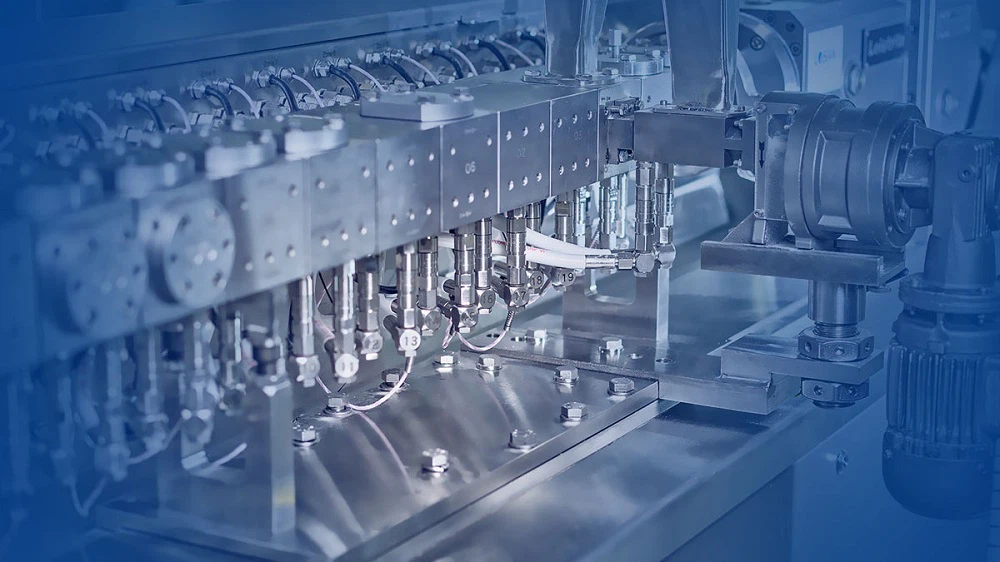
2. What Is Hot Melt Yarn? (Process Perspective)
Hot melt yarn is a thermoplastic bonding yarn that melts or softens at a defined temperature and bonds fabrics upon cooling.
Typical Characteristics
- Controlled melting point (80–180°C)
- Solid-state application (no liquids)
- Compatible with weaving, knitting, and embroidery
Common variants include:
- TPU Hot Melt Yarn (elastic bonding)
- Polyester / Nylon Hot Melt Yarn (structural bonding)
3. How Hot Melt Yarn Replaces Stitching
Heat-Activated Bonding Workflow
- Yarn is integrated during textile formation
- Heat is applied via press, oven, or calender
- Yarn melts and flows at contact points
- Cooling creates a permanent bond
This allows joining and reinforcement to occur simultaneously, rather than as a secondary operation.
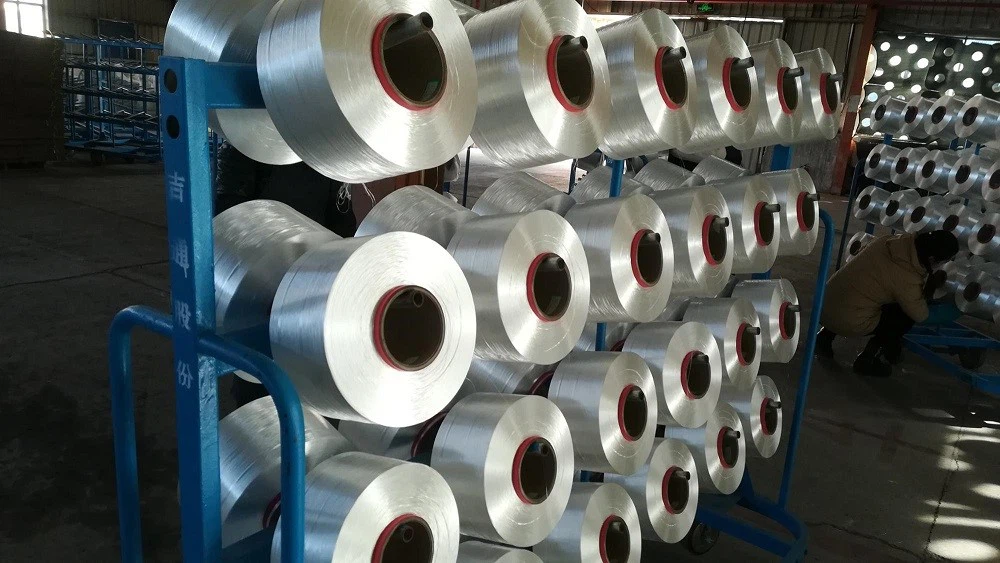
4. Performance Comparison: Hot Melt Yarn vs Stitching
| Factor | Stitching | Hot Melt Yarn |
|---|---|---|
| Production Speed | Low–Medium | High |
| Automation Ready | Limited | Excellent |
| Seam Elasticity | Poor | Adjustable |
| Surface Finish | Visible seams | Seamless |
| Failure Risk | Thread breakage | Distributed bonding |
| Recyclability | High | High (no glue) |
5. Cost Efficiency Over the Product Lifecycle
Short-Term
- Reduced labor hours
- Lower machine maintenance
- Fewer production stops
Long-Term
- Fewer warranty claims
- Reduced seam failure in use
- Consistent bonding quality across batches
In automotive and technical textile applications, manufacturers report double-digit reductions in total assembly cost after switching to hot melt yarn bonding.
6. Application Scenarios Where Hot Melt Yarn Excels
Automotive Interiors
- Seat covers
- Door panel laminations
- Headliners and trim fabrics
Functional Apparel
- Seamless sportswear
- Elastic reinforcement zones
- Waterproof garment construction
Industrial & Technical Textiles
- Filter fabrics
- Composite reinforcement
- Protective textiles
7. When Stitching Is Still Necessary
Hot melt yarn does not fully replace stitching in all cases.
Stitching remains relevant when:
- Extremely high tensile loads are required
- Manual repairability is critical
- No heat process is available
In many cases, hybrid designs combining stitching and hot melt yarn deliver optimal results.
8. Industry Trend: From Mechanical Fixation to Thermal Bonding
Key drivers behind the shift include:
- Labor shortages
- Demand for seamless aesthetics
- Lightweight composite structures
- Sustainability and VOC reduction
OEMs increasingly specify bonding fibers over stitched assemblies in next-generation textile platforms.


