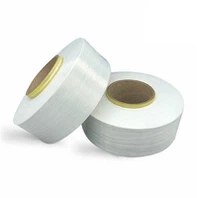
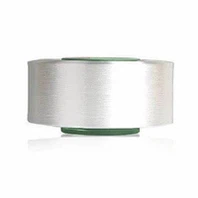
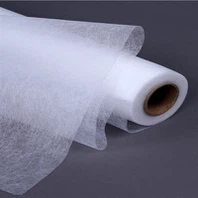
Hot melt yarn is suitable in applications where thermal bonding, adhesion, or seamless integration is required without traditional stitching or chemical adhesives. Its suitability depends on the material properties, processing conditions, and end-use requirements. Below is a structured breakdown:
1. Key Applications
| Industry/Use Case | Why Hot Melt Yarn is Suitable | Examples |
|---|---|---|
| Apparel & Footwear | Bonds fabrics without stitching; enhances flexibility and waterproofing. | Seamless sportswear, shoe uppers, elastic waistbands. |
| Automotive Interiors | Adheres fabrics to substrates (e.g., foam, plastic) for lightweight, durable finishes. | Headliners, door panels, seat covers. |
| Medical Textiles | Creates non-irritating, hygienic seams for single-use products. | Surgical gowns, wound dressings, compression garments. |
| Technical Textiles | Bonds high-performance fabrics (e.g., aramid, carbon fiber) for heat/flame resistance. | Firefighter gear, aerospace composites. |
| Packaging | Secures lightweight materials with heat-activated adhesion. | Filter bags, reusable packaging straps. |
| Home Textiles | Joins layers without bulky seams for comfort and aesthetics. | Quilted blankets, mattress covers, curtains. |
2. Material Compatibility
Hot melt yarn works best with:
Thermoplastic polymers (e.g., TPU, PET, PA, EVA).
Fabrics that withstand heat (e.g., polyester, nylon, nonwovens).
Substrates like foam, leather, or plastic (if melting temps align).

3. Advantages Over Traditional Methods
No Sewing: Eliminates needle holes, improving waterproofing (e.g., outdoor gear).
Lightweight: Reduces bulk in layered fabrics (e.g., athletic wear).
Durability: Resists fraying and unraveling under stress.
Speed: Faster production vs. stitching or glue-based methods.
Customization: Adjust melting temps (e.g., 80–250°C) for diverse materials.
4. When to Avoid Hot Melt Yarn
High-Temperature Environments: Risk of remelting (e.g., engine components).
Chemical Exposure: Some polymers degrade in solvents or UV light.
High Shear Stress: Bonds may fail if subjected to repeated abrasion.
5. Critical Processing Parameters
| Factor | Requirement |
|---|---|
| Temperature | Must match the yarn's melting point (e.g., TPU: 130–150°C; PET: 250°C). |
| Pressure | Ensures even bonding (e.g., 2–5 bar for laminates). |
| Cooling Time | Critical for bond strength (e.g., 10–30 seconds for TPU). |
6. Ideal Scenarios for Use
Waterproof Seams: In rainwear or inflatable products.
Stretchable Bonds: For compression garments or elasticated fabrics.
Hygienic Products: Where chemical adhesives are prohibited (e.g., medical textiles).
Aesthetic Finishes: For seamless luxury apparel or automotive interiors.