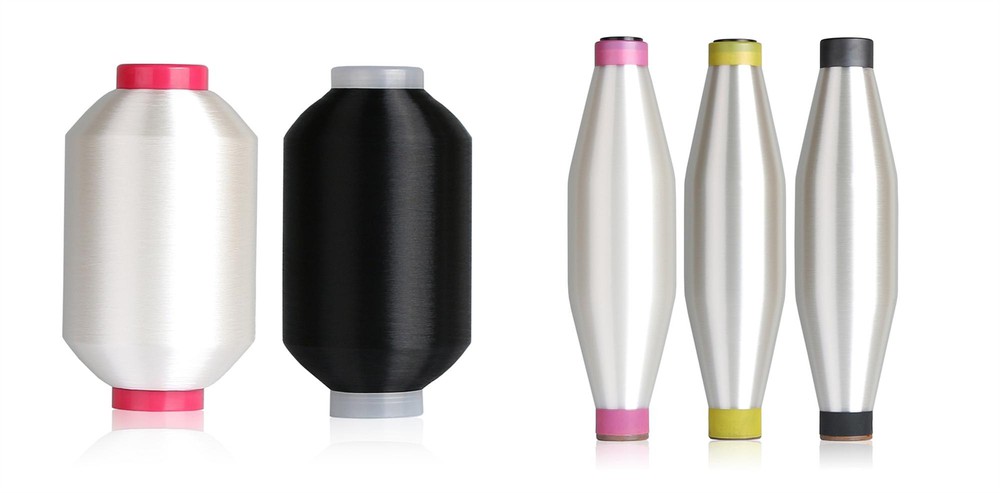
Hot melt yarn is not a type of fiber, but rather a yarn that is coated with a thermoplastic adhesive. As such, the dyeing performance of hot melt yarn depends on the type of fiber used as the core yarn, as well as the type of adhesive used for the coating.
In general, natural fibers such as cotton and wool have good dyeing properties and can be easily dyed with a variety of dyes. Synthetic fibers such as polyester and nylon may require special dyeing techniques, such as disperse dyeing for polyester or acid dyeing for nylon.
When it comes to hot melt yarn, the coating can affect the dyeing properties of the yarn. For example, if the adhesive used for the coating is not dyeable, it may resist dyeing and cause uneven dye uptake. On the other hand, some adhesives may enhance the dyeing properties of the yarn by acting as a dye carrier and increasing the affinity between the dye and the fiber.
To achieve the desired color and levelness in hot melt yarn, it is important to carefully select the core yarn and adhesive, and to use appropriate dyeing techniques and processes. Testing the dyeing performance of hot melt yarn can involve color fastness tests, color measurement, and visual inspection to ensure consistent and high-quality results.