

The difference between the melting point of hot melt yarn at 85°C and 100°C primarily lies in the temperature at which the yarn transitions from a solid to a molten state, affecting its processing and application properties. Hot melt yarns with a melting point of 85°C are typically designed for applications where a lower melting temperature is desired, such as in bonding or adhesive processes that do not require high heat. These yarns are more sensitive to heat and will melt and bond at a relatively lower temperature, making them suitable for heat-sensitive materials or environments where excessive heat could damage the product.
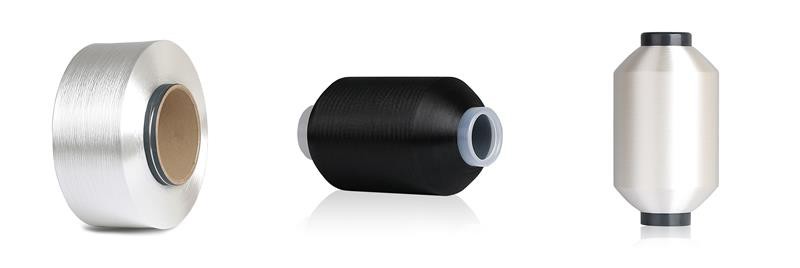
On the other hand, hot melt yarns with a melting point of 100°C offer a slightly higher thermal resistance, allowing them to be used in applications where a more robust bond is needed, or where higher temperatures are involved in the processing stages. The higher melting point ensures that the yarn maintains its integrity and doesn't deform or melt prematurely during manufacturing or end-use conditions. This difference in melting points influences how the yarn is used in specific industries, such as in textiles, automotive, or packaging, where precise control over the melting and bonding process is required.
The main difference between hot melt yarns with melting points of 85°C and 100°C is their thermal stability and suitability for various applications. The 85°C yarns are ideal for lower temperature bonding processes, while the 100°C yarns offer greater heat resistance for more demanding applications.


