

Melt spinning fiber, also known as melt spun fiber, is a type of synthetic fiber that is produced through the melt spinning process. It involves melting the raw material and then extruding it through small holes, or spinnerets, to form long strands of fiber. This method is commonly used to produce polyester, nylon, and other synthetic fibers.
The melt spinning process involves several stages. First, the raw material is melted, typically in a heated chamber, to form a molten liquid. The liquid is then forced through spinnerets, which are small holes with precise diameters and shapes. As the liquid exits the spinneret, it immediately solidifies and forms a long, continuous strand of fiber.
Melt spinning is a highly controlled process that requires careful monitoring of temperature, pressure, and other factors to ensure that the fibers are of the desired quality. The resulting fibers are typically uniform in diameter and have a smooth, glossy surface.
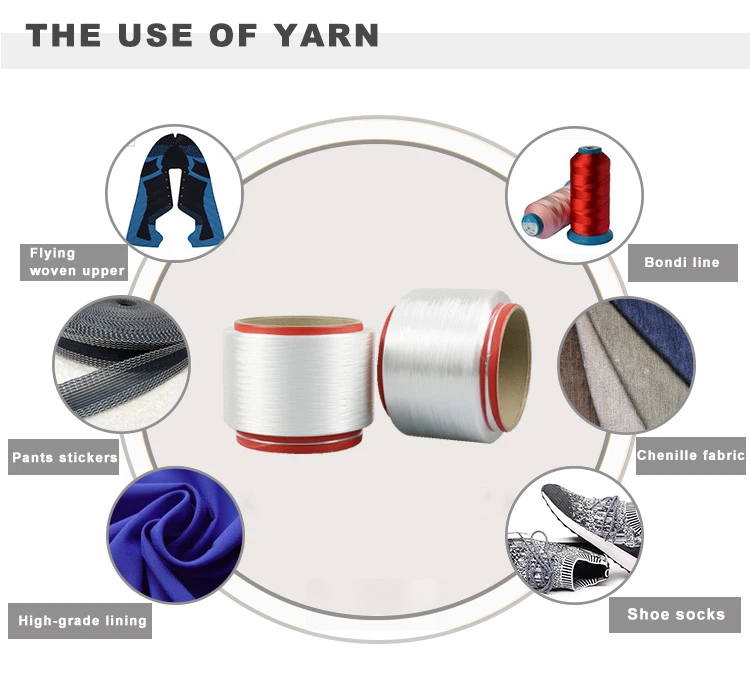
Melt spinning fiber is used in a wide range of applications, including clothing, upholstery, automotive interiors, and industrial fabrics. It is highly valued for its strength, durability, and versatility, and is often used as a substitute for natural fibers such as cotton, wool, and silk.
One of the key advantages of melt spinning fiber is its ability to be produced in large quantities and with consistent quality. The process can be easily scaled up to produce fibers on a commercial or industrial scale, making it a cost-effective solution for many applications.
Another advantage of melt spinning fiber is its ability to be customized to meet specific performance requirements. By adjusting the composition of the raw materials and the processing parameters, manufacturers can produce fibers with different properties such as strength, elasticity, and heat resistance.
In addition, melt spinning fiber is often used in combination with other materials to create composite materials with enhanced performance characteristics. For example, carbon fiber reinforced polymers (CFRP) are created by combining melt-spun fibers with a thermosetting resin to create a lightweight, high-strength material that is used in aerospace, automotive, and other high-performance applications.


