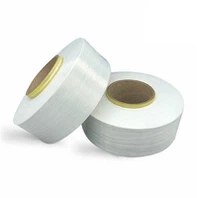
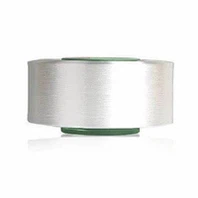
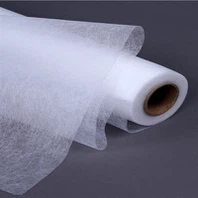
Hot melt yarn, also known as low melting point fiber, is a thermoplastic bonding material with good adhesion strength and resistance to high temperatures and chemical corrosion. Its main components are polypropylene (PP) or polyethylene (PE), usually in the form of solids, granules, or powders. During the heating process, hot melt yarn quickly melts and flows, capable of bonding a variety of different materials, such as textiles, plastic films, foam materials, etc.
The melting point of hot melt yarn can be adjusted between 85°C and 180°C by adjusting the material properties. Under normal temperature conditions, hot melt yarn is woven with other fibers to form a fabric, and then pressure is applied in a dry heat or humid heat state. When the temperature is higher than the melting point of the hot melt yarn, the hot melt yarn gradually melts and bonds with other fibers. This characteristic allows hot melt yarn to replace chemical adhesives, avoiding the pollution of volatile substances and powder, and has the characteristics of environmental protection and non-toxicity, while saving the process and reducing production costs.

Hot melt yarn is widely used in outdoor sports shoe faces, casual shoe faces, sofa fabrics, curtain window screens, carbon fiber cloth surface shaping, chenille yarn, bundi yarn, high-grade suit lining, lace lace and glove lock edge yarn and other fields, and is a high-tech product with great market prospects. In industrial manufacturing, hot melt yarn is often used for bonding, sealing, or wrapping materials, especially in the fields of textiles, packaging, printing, electronics, automobiles, etc., hot melt yarn is used for various materials bonding.
The processing of hot melt yarn can be manual or automatic. Manual processing usually uses a hot melt gun or a handheld heater for heating, and automatic processing can use hot melt machinery, hot melt arms and other equipment for bonding, with the advantages of high efficiency and high degree of automation.