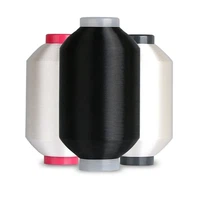
Melt spinning fiber, depending on the specific polymer used, can have different degrees of biodegradability and environmental impact. Some polymers used in melt spinning, such as polyester, are not biodegradable and may take a long time to break down in the environment. These fibers can persist in landfills or ecosystems, contributing to plastic waste pollution.

However, there are also biodegradable and environmentally friendly options available in melt spinning fiber production. For example, biopolymer-based fibers derived from renewable sources like corn or bamboo can be used. These fibers have the advantage of being biodegradable, meaning they can naturally decompose over time and minimize their environmental impact.
In terms of environmental friendliness, it is also essential to consider the entire life cycle of the fiber, including the production process and waste management. Sustainable practices, such as using eco-friendly dyes and chemicals, minimizing water and energy consumption during production, and implementing proper recycling and waste management systems, can help reduce the environmental footprint of melt spinning fiber.
It is crucial for manufacturers and consumers to consider the environmental impact of melt spinning fiber and choose sustainable options whenever possible. The industry is continually evolving, and advancements are being made to develop more environmentally friendly melt spinning fibers and processes that promote a circular economy and minimize harm to the environment.