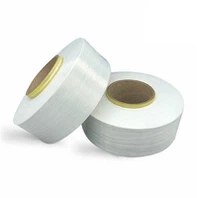
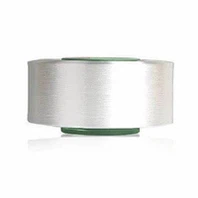
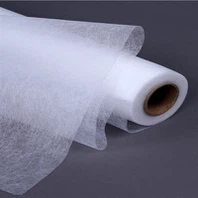
Hot melt yarn is widely used in various industries due to its superior bonding strength and excellent heat resistance. However, its durability can be affected by factors such as environmental conditions and mechanical stress. To ensure the durability of hot melt yarn, various testing methods are used.

One common method is the abrasion resistance test, which measures the ability of the yarn to resist wear and tear. This test involves rubbing the yarn against a standard material under controlled conditions and measuring the amount of abrasion. The results can be used to evaluate the durability of the yarn and identify any weaknesses in the production process.
Another important test is the moisture resistance test, which evaluates the ability of the yarn to resist moisture. This is particularly important for hot melt yarn used in outdoor applications, where exposure to moisture can cause degradation and weakening of the yarn. The test involves exposing the yarn to controlled levels of moisture and measuring its performance over time.
In addition to testing, there are also ways to improve the durability of hot melt yarn. One approach is to modify the composition of the yarn to increase its strength and resilience. For example, adding reinforcing fibers or using a higher quality adhesive can improve the durability of the yarn.
Another approach is to optimize the manufacturing process to reduce stress on the yarn. This can include adjusting the temperature and pressure during production, as well as using specialized equipment designed to minimize stress on the yarn.
Overall, ensuring the durability of hot melt yarn is essential for maximizing its performance and lifespan in various industrial applications. By using testing methods and implementing strategies to improve durability, manufacturers can produce high-quality hot melt yarn that meets the demands of their customers.