Selecting the optimal yarn requires a deep understanding of material properties, application demands, and production processes. This guide outlines key considerations for professionals, with strategic emphasis on niche materials like hot melt yarn in technical and industrial contexts.
1. Fiber Composition and Performance
The core of yarn selection lies in its fiber type, which dictates functionality:
Natural fibers (cotton, wool, silk): Preferred for breathability, biodegradability, and comfort in apparel or home textiles.
Synthetic fibers (polyester, nylon): Offer durability, elasticity, and resistance to moisture or abrasion, ideal for activewear or outdoor gear.
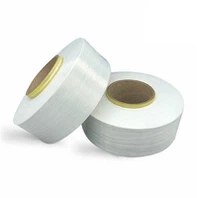
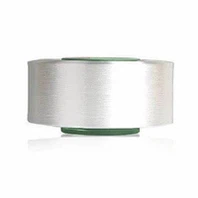
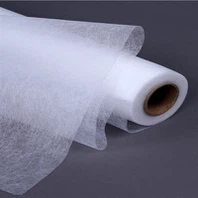
Technical fibers: Specialty materials such as hot melt yarn-a thermoplastic polymer-enable heat-activated bonding for seamless fabrication.

2. Functional Priorities by Application
Tailor choices to the end-use environment:
Apparel: Balance softness (cotton, bamboo) with stretch (spandex blends). For performance wear, moisture-wicking synthetics dominate.
Industrial textiles: Prioritize tensile strength and chemical resistance. Hot melt yarn is critical for applications like automotive interiors or medical textiles, where stitch-free adhesion ensures durability and sterility.
Home furnishings: Flame-retardant synthetics for upholstery; natural blends for aesthetic appeal.
3. Production Compatibility
Ensure alignment with manufacturing capabilities:
Thermal sensitivity: Materials like hot melt yarn require precise temperature control during bonding to avoid degradation.
Adhesion integrity: Test compatibility between yarn and substrates (e.g., polyester vs. nylon) to validate bond strength and longevity.
Sustainability: Opt for recyclable or low-VOC materials to meet eco-certifications.
4. Cost and Efficiency
Budget: Synthetics like polyester are cost-effective for mass production.
Labor optimization: Hot melt yarn reduces assembly steps in industrial settings, lowering labor costs while enhancing precision.
Key Takeaway
While traditional fibers remain staples for everyday use, innovative materials like hot melt yarn revolutionize industries requiring seamless, high-strength bonding. Always align fiber properties, production parameters, and sustainability goals to make informed, application-driven decisions.