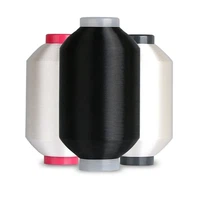
The hot melt yarn industry has experienced significant growth in recent years, driven by various factors including technological advancements, changing consumer preferences, and increasing demand for high-performance textiles. Here are some key aspects contributing to the growth and prospects of the hot melt yarn industry:
 Innovative Applications: Manufacturers are constantly innovating to develop new applications for hot melt yarns across industries such as footwear, apparel, automotive, and technical textiles. For example, in the footwear sector, hot melt yarns are being used for seamless uppers, providing enhanced comfort, flexibility, and durability.
Performance Enhancements: Hot melt yarns offer several performance advantages such as moisture management, breathability, lightweight construction, and flexibility. These properties make them attractive for use in sports and activewear, where consumers seek high-performance materials that enhance comfort and mobility.
Sustainability: With growing concerns about environmental sustainability, there is increasing interest in developing eco-friendly alternatives to traditional materials. Some manufacturers are exploring the use of recycled materials in hot melt yarn production, reducing the environmental impact of the manufacturing process.
Customization and Personalization: Hot melt yarns offer opportunities for customization and personalization, allowing brands to differentiate their products and cater to individual consumer preferences. This trend aligns with the growing demand for personalized products in the fashion and footwear industries.
Market Expansion: As consumer awareness of the benefits of hot melt yarns increases, the market for these products is expanding globally. Emerging economies, in particular, are experiencing rapid growth in demand for high-performance textiles, driving investment and innovation in the hot melt yarn industry.
Collaborations and Partnerships: Collaboration between manufacturers, brands, and research institutions is driving innovation and accelerating the development of new applications for hot melt yarns. These partnerships help in leveraging complementary expertise and resources to bring innovative products to market more efficiently.
Regulatory Support: Regulatory initiatives aimed at promoting sustainability and innovation in the textile industry are also supporting the growth of the hot melt yarn market. Government incentives, subsidies, and regulations aimed at reducing carbon emissions and promoting sustainable manufacturing practices are creating opportunities for companies investing in eco-friendly technologies.
The hot melt yarn industry is poised for continued growth and expansion, fueled by technological innovation, sustainability initiatives, and increasing demand for high-performance textiles across various end-use sectors. As manufacturers continue to invest in research and development, we can expect to see further advancements in hot melt yarn technology and expanded applications in the coming years.