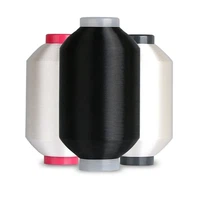
Temperature control during hot-melt yarn bonding is one of the key factors in ensuring product quality. Both overheating and insufficient bonding can affect the final bonding result and production efficiency. To optimize the bonding process, precise temperature control is essential to avoid the following issues:
1. Overheating Issue:
Excessive temperature can lead to the hot-melt yarn over-melting or burning, potentially damaging the base material. Overheating can also cause the bonding layer to become brittle, reducing the durability and quality of the product.
Strategies to Avoid Overheating:
Temperature Monitoring System: Use precise temperature control devices to ensure the temperature stays within the melting point range of the hot-melt yarn. Digital temperature control systems or thermocouples can be used to monitor temperature fluctuations in real-time and prevent temperature spikes.
Step-by-Step Heating: Implement gradual heating to prevent sudden temperature increases that might cause overheating. This allows the hot-melt yarn to heat evenly, reducing localized overheating.
Adjust Heating Time: Shorten the heating time appropriately to avoid prolonged exposure to high temperatures, particularly before the material fully melts.

2. Insufficient Bonding Issue:
If the temperature is too low, the hot-melt yarn will not melt completely, leading to weak bonding or even failure to bond effectively. This can result in cracks at the bonding points or an uneven bonding layer.
Strategies to Avoid Insufficient Bonding:
Precise Heating Control: Ensure that the temperature is within the optimal melting range for the hot-melt yarn. Different materials of hot-melt yarn have different melting points, so adjust the temperature according to the material's characteristics.
Increase Pressure: In addition to controlling temperature, applying appropriate pressure during the heating process can effectively promote the flow and bonding of the hot-melt yarn, ensuring a strong bond.
Extend Heating Time: In some cases, extending the heating time can allow the hot-melt yarn to melt fully, but it's essential not to overheat. Too short a heating time may lead to insufficient bonding.
3. Impact of Environmental Factors:
Environmental factors such as temperature and humidity can significantly affect the melting process and bonding quality of hot-melt yarn. High humidity or low temperatures can hinder proper melting and bonding.
Strategies to Mitigate Environmental Impacts:
Temperature-Controlled Environment: Maintain a stable environment temperature and humidity during production to prevent external factors from affecting the bonding process.
Use of Heating Aids: In low-temperature environments, use appropriate heating equipment to stabilize the temperature and prevent insufficient bonding due to external temperature changes.
By precisely controlling the bonding temperature of hot-melt yarn, you can avoid the issues of overheating that lead to burning and ensure that the bonding process achieves optimal results without insufficient bonding. This guarantees the best bonding quality for every product.