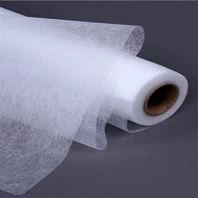
Hot Melt Adhesive Web storage stability is directly governed by ambient relative humidity (RH) and temperature levels, which dictate the moisture absorption kinetics of the underlying polymer matrix. Thermoplastic adhesive webs-specifically those engineered from Polyamide (PA) and polyurethane (TPU Web)-possess hygroscopic molecular structures that attract and retain atmospheric water molecules. When stored in environments exceeding 60% RH, the web absorbs moisture beyond its critical threshold (typically >1.5% by weight for PA). This absorbed water acts as a plasticizer, lowering the polymer's glass transition temperature (Tg) and inducing premature activation, filament fusing, or micro-voiding during downstream hot-press bonding cycles. Maintaining controlled storage parameters is therefore essential to prevent delamination and preserve the specified tensile strength of the adhesive interface.
1. Thermodynamic and Environmental Degradation Factors
Atmospheric moisture affects thermoplastic webs through surface adsorption and volumetric absorption. The rate of degradation depends heavily on the specific polymer base used in the Web film storage setup.
Polyamide (PA) Webs: Highly polar amide groups form hydrogen bonds with water molecules. At 75% RH, standard PA web reaches a moisture equilibrium of 3.5% within 14 days, resulting in a 15°C reduction in its effective softening point.
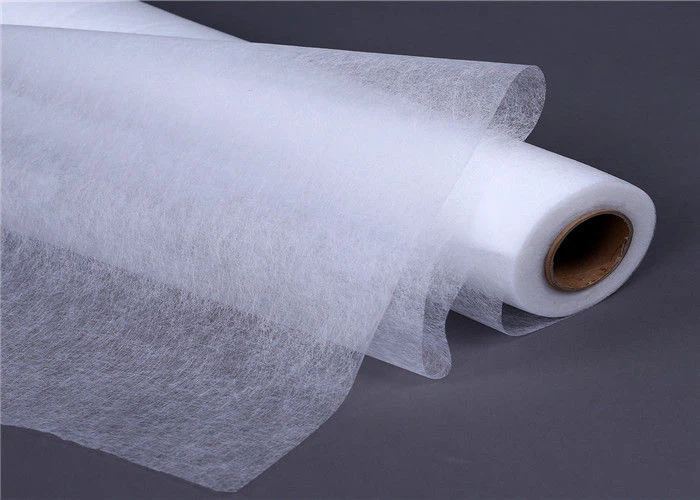
TPU Webs: Susceptible to hydrolytic cleavage of ester or ether linkages when stored under high humidity and elevated temperatures over extended periods, permanently reducing the polymer's molecular weight.
Polyester (PES) Webs: Exhibit the lowest moisture absorption (<0.5%), making them relatively stable against short-term humidity spikes, though prolonged exposure still degrades the surface finish.
Request a copy of our comprehensive material storage protocols and certified packaging specifications.
Contact Our Technical Support Team
2. Packaging Integrity and Storage Parameters
To maintain the engineered shelf life of 12 to 24 months, manufacturers must isolate the rolls from ambient warehouse humidity using industrial-grade vapor barriers.
Technical Data: Optimal Storage Conditions vs. Accelerated Degradation
The following table provides the quantitative parameters required to maximize web integrity during long-term storage:
| Storage Parameter | Optimal Warehouse Baseline | Critical Hazard Threshold | Testing Standard |
| Relative Humidity (RH) | 40% – 55% | ≥ 65% | ISO 6251 |
| Ambient Temperature | 15°C – 25°C | ≥ 35°C | Continuous Logger |
| Primary Packaging | Vacuum Sealed PE Film (120µm) | Non-sealed Stretch Wrap | Moisture Vapor Transmission |
| Secondary Packaging | Aluminum Foil Composite Barrier | Standard Corrugated Box | ASTM F1249 |
| Desiccant Ratio | 50g Silica Gel per 10kg Roll | None | Internal QC |
| Stacking Limit | Max 3 Rolls Horizontal | Vertical Stacking (Deformation) | Mechanical Stress Analysis |
3. Failure Identification Methods for Degraded Webs
Processing a moisture-contaminated or structurally degraded hot melt web leads to immediate assembly line failures. Material engineers must audit raw inventory using these three diagnostic benchmarks:
Filament Blocking (Fusing)
Absorbed moisture combined with high temperature causes adjacent web layers on the roll to fuse together. If a roll resists unwinding or exhibits tearing at a tension force exceeding 2 N/cm, blocking has occurred, rendering the roll unusable for automated unwinding systems.
Steam Voiding During Hot-Press Lamination
During thermal activation (95°C to 130°C), trapped moisture rapidly vaporizes into steam. This outgassing creates micro-voids and blisters within the molten adhesive line. In standardized T-peel testing, voided areas show a drop in peel strength from the standard 45 N/cm down to less than 20 N/cm.
Melt Flow Index (MFI) Shifts
Hydrolyzed polymers exhibit an artificially elevated MFI due to molecular chain scission. An uncontrolled increase in MFI causes the adhesive to over-penetrate porous carrier fabrics, leading to strike-through defects and leaving an insufficient volume of adhesive at the actual interface.
Aligning Inventory with Global Quality Standards
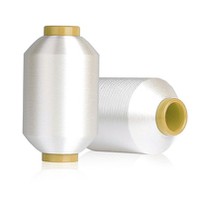
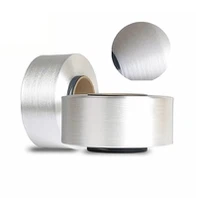
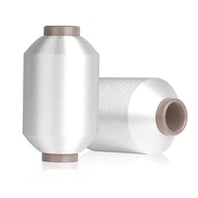
All WithTech technical webs are processed and packaged under strict chemical safety regulations to maintain Oeko-Tex Standard 100 compliance. We also engineer our GRS certified recycled webs to maintain identical moisture resistance to virgin polymer lines, providing stable performance across changing environmental conditions. For applications requiring alternative formats, we recommend evaluating our low-melting-point Hot Melt Yarn configurations, which offer excellent structural stability in high-humidity processing zones.
FAQ
Q1: What is the exact shelf life of a WithTech PA web if the vacuum seal is broken?
Once the vacuum barrier is breached in a standard warehouse (60% RH, 25°C), the web must be processed within 72 hours. Beyond this window, the moisture content will exceed the 1.0% limit, requiring a pre-baking cycle at 40°C for 4 hours prior to lamination.
Q2: How does WithTech protect international sea freight shipments from container humidity?
All export orders are enclosed in heavy-gauge aluminum foil barrier linings with a moisture vapor transmission rate (MVTR) of <0.1 g/m²/24h. We calculate and insert precise calcium chloride desiccant weights based on container volume and transit duration.
Q3: Is the shelf life of recycled GRS-certified webs shorter than virgin webs?
No. Our GRS-certified webs undergo secondary filtration and molecular weight stabilization during extrusion. When stored in original, undamaged vacuum packaging within the 40%-55% RH range, they match the 24-month technical lifespan of virgin materials.