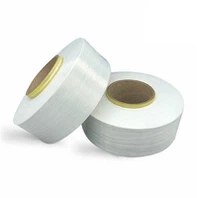
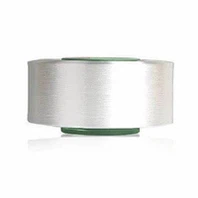
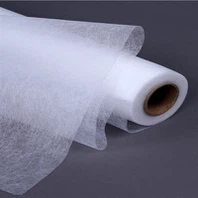
In today's fast-moving textile and fashion world, designers are looking for ways to make their products cleaner, smoother, and more performance-driven. That's where hot melt yarn is stepping in-not just as a bonding material, but as a design tool.
From seamless activewear to technical garments, more and more designers are moving away from traditional stitching and glue, and turning to hot melt yarn for innovative, flexible construction. But what's behind this shift?
1. Seamless Construction, Smoother Style
Hot melt yarn allows for clean bonding without visible seams, stitching lines, or bulky layers. For designers, this means:
Sleeker silhouettes
No thread marks or ridges
Improved drape and fit
In fashion and sportswear, aesthetics matter-and seamless bonding offers a modern, minimalist look that consumers love.

2. Soft, Skin-Friendly Finish
Comfort is just as important as appearance. Hot melt yarn melts into the fabric and creates soft, flexible bonds, especially when using nylon-based yarns. The result?
No scratchy seams
Reduced chafing
Ideal for underwear, yoga wear, and performance apparel
Designers focused on next-to-skin products appreciate how hot melt yarn enhances comfort without compromising strength.
3. Freedom to Work with Stretch and Performance Fabrics
Traditional sewing can be limiting when working with stretchy or high-tech fabrics. Hot melt yarn, on the other hand:
Bonds elastics, spandex, mesh, and microfiber
Stretches with the garment
Maintains shape and elasticity
This gives designers more freedom to create form-fitting and flexible designs-without worrying about seam failure.
4. Sustainability Without Sacrifice
Hot melt yarn is solvent-free and often used in mono-material constructions, which makes recycling easier. For eco-conscious designers, that's a game changer.
No glues or adhesives
Less waste and fewer chemicals
Compatible with circular design goals
Using hot melt yarn supports cleaner production and better end-of-life textile recovery-without sacrificing creativity.
5. Integration into Automated Production
Designers who work closely with manufacturers know that efficiency matters. Hot melt yarn is compatible with:
Knitting and weaving machines
Heat presses and ultrasonic bonding tools
Roll-to-roll lamination systems
This enables faster prototyping and smoother scaling, especially in the seamless and performance wear markets.
6. Design for Multi-Layer or Zoned Functionality
With hot melt yarn, you can design garments that feature:
Reinforced zones (e.g., chest, waist, cuffs)
Breathable panels without stitching
Laminated features like pockets or overlays
This opens up creative possibilities in technical fashion, smart wearables, and compression garments.
Designers are switching to hot melt yarn because it delivers a rare combination:
freedom, function, and finish.
It lets you create smoother, softer, and more sustainable garments-while supporting next-generation textile construction techniques. Whether you're designing activewear, intimate apparel, or smart textiles, hot melt yarn is more than a bonding agent-it's a creative enabler.
Curious how hot melt yarn can support your design goals?
Explore our range of Nylon and Polyester Hot Melt Yarn at fiber-yarn.com, or get in touch for design-focused technical guidance.