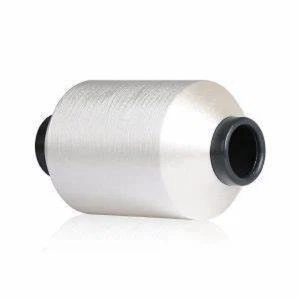
The technical specifications of hot melt yarn can vary depending on the specific type and application. However, some common technical specifications include:
- Melting point: The melting point of hot melt yarn is typically between 80°C to 150°C, depending on the specific type and composition.
- Denier: Denier is a measure of the fineness of the yarn, and it refers to the weight in grams of 9,000 meters of the yarn. The denier of hot melt yarn can range from 22dt to 111dt or higher.
- Tensile strength: Tensile strength is a measure of the maximum stress that the yarn can withstand before breaking. The tensile strength of hot melt yarn can range from 1.5 cN/dtex to 3.5 cN/dtex or higher, depending on the type and application.
- Elongation: Elongation is a measure of how much the yarn can stretch before breaking. The elongation of hot melt yarn can range from 15% to 35%, depending on the type and application.
- Color: Hot melt yarn is available in various colors, including white, black, and custom colors.
- Yield: Yield refers to the amount of yarn that can be produced per day. The yield of hot melt yarn can range from a few hundred kilograms to several thousand kilograms per day, depending on the production capacity of the manufacturer.
- Material: Hot melt yarn is made from a variety of materials, including low melting point copolyamide adhesive, polyester, polyamide, and other synthetic fibers. The specific material used can affect the properties of the yarn, such as melting point and tensile strength.