

Nylon and polyester fibers are both popular synthetic materials used in textiles, but they have distinct properties and characteristics.
Here's a comparison of the Nylon and polyester fibers:
1. Composition
Nylon: Nylon is a polyamide fiber created from polymerization of amides, which are derived from petrochemicals.
Polyester: Polyester is made from a polymer of ethylene glycol and terephthalic acid, also derived from petrochemicals.
2. Strength and Durability
Nylon: Nylon fibers are known for their high tensile strength and durability. They are particularly strong and resistant to abrasion, making them ideal for applications like outdoor gear, carpets, and hosiery.
Polyester: Polyester fibers are also strong but generally have slightly less tensile strength compared to nylon. However, polyester is still durable and resistant to wear and tear.
3. Moisture Absorption
Nylon: Nylon has a higher moisture absorption rate compared to polyester. This can lead to longer drying times and may contribute to the growth of mold and mildew if not dried properly.
Polyester: Polyester has low moisture absorption, which helps it dry quickly and resist mildew. It's less prone to retaining water, making it a popular choice for sportswear and outdoor textiles.
4. Elasticity and Stretch
Nylon: Nylon has good elasticity and stretch, which allows it to retain its shape and resist wrinkles. This property makes it suitable for items like activewear and hosiery.
Polyester: Polyester also has some degree of elasticity but typically not as much as nylon. It tends to be less flexible and may not recover its shape as well after stretching.
5. Heat Sensitivity
Nylon: Nylon is sensitive to heat and can melt at high temperatures. It may require careful handling during washing and drying to avoid damage.
Polyester: Polyester is more heat-resistant compared to nylon. It can withstand higher temperatures and is less likely to melt, making it easier to care for in terms of washing and drying.
6. Appearance and Texture
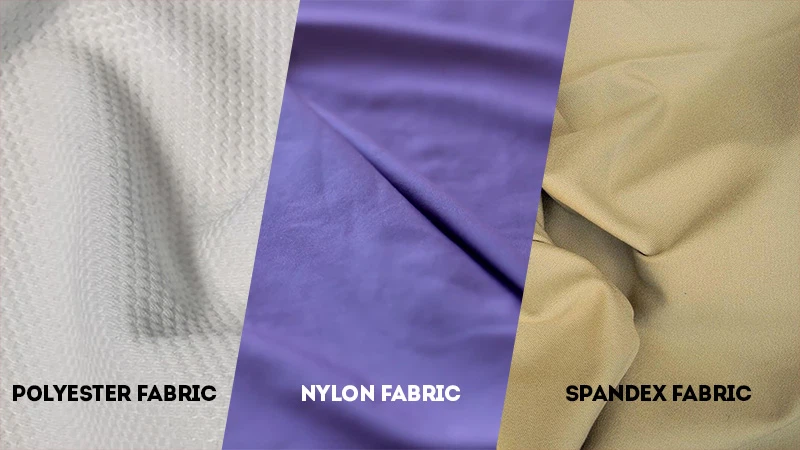
Nylon: Nylon has a smooth, shiny surface and can mimic the feel of natural fibers like silk. It often has a more luxurious appearance.
Polyester: Polyester fibers can have a variety of textures and appearances. It is generally less shiny than nylon but can be engineered to look like different materials.
7. Environmental Impact
Nylon: The production of nylon involves a more complex chemical process and has a higher environmental impact, including the release of greenhouse gases and non-renewable resource use.
Polyester: Polyester production also has environmental concerns but is somewhat less complex. It is more commonly recycled, with recycled polyester being used in many products.
Summary
Nylon: Strong, durable, high moisture absorption, good elasticity, sensitive to heat, smooth and shiny appearance.
Polyester: Strong but slightly less than nylon, low moisture absorption, moderate elasticity, more heat-resistant, varied textures and appearances.
Both fibers have their strengths and are chosen based on the specific needs of the application, whether it's durability, moisture management, or appearance.


