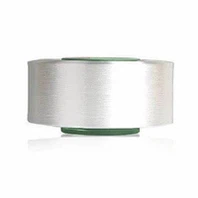
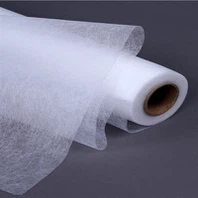
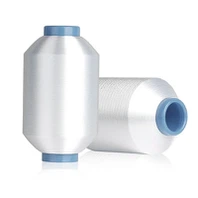
In the textile industry, terms like TPU yarn and hot melt yarn are often used interchangeably-but they're not exactly the same. While TPU yarn is one type of hot melt yarn, not all hot melt yarns are made from TPU.
So, what sets TPU yarn apart from other hot melt yarns like polyamide (nylon) or polyester-based options?
Here are the top 5 key differences you should know.
1. Material Composition
TPU Yarn is made from thermoplastic polyurethane, a flexible, elastic polymer known for softness and stretch.
Hot Melt Yarn (General) refers to any yarn with thermoplastic bonding properties-this includes TPU, polyamide (nylon), and polyester.
👉 Not all hot melt yarns are TPU, but all TPU yarns are part of the hot melt family.
2. Bonding Temperature Range
TPU Yarn: Melts at a lower temperature, typically around 90–130°C, making it ideal for bonding delicate or stretch fabrics.
Other Hot Melt Yarns:
Nylon-based: Melts around 130–160°C
Polyester-based: Melts at 110–200°C, depending on formulation
👉 TPU is better for low-temperature bonding and energy-efficient processes.

3. Elasticity and Flexibility
TPU Yarn is highly elastic and retains flexibility after melting and cooling-perfect for compression garments, underwear, and sportswear.
Nylon/Polyester Hot Melt Yarn: Offers stronger, stiffer bonds and is preferred for structure-focused bonding (e.g., reinforcement, trims).
👉 TPU yarn is ideal where softness, stretch, and comfort are essential.
4. Processing Compatibility
TPU Yarn is more suitable for knitted fabrics and seamless integration into next-to-skin garments.
Other Hot Melt Yarns are better suited to woven laminates, automotive, or industrial applications where rigidity is needed.
👉 Choose TPU for garment bonding, and other hot melt yarns for technical or industrial bonding.
5. Eco and Comfort Considerations
TPU Yarn is:
Skin-friendly
Odorless
Often available in bio-based or medical-grade versions
General Hot Melt Yarn may offer stronger adhesion, but could be less soft or less breathable, depending on the base polymer.
👉 TPU shines in comfort-critical applications, while nylon or polyester excels in structural bonding.
Summary Table
| Feature | TPU Yarn | General Hot Melt Yarn |
|---|---|---|
| Material | Thermoplastic polyurethane | Nylon, polyester, TPU, etc. |
| Melting Point | Low (90–130°C) | Varies (110–200°C) |
| Elasticity | Very high | Medium to low |
| Best Use | Seamless, soft garments | Industrial bonding, reinforcements |
| Feel | Soft, stretchable | Firmer, sometimes rigid |
Final Thoughts
While TPU yarn is a type of hot melt yarn, it's softer, more flexible, and lower-temp than many other hot melt options. Choosing the right yarn depends on your application-use TPU for comfort and flexibility, and nylon/polyester hot melt yarns for strength and structure.
Need help choosing between TPU, nylon, or polyester hot melt yarn?
Visit fiber-yarn.com or contact us for material samples and expert support based on your fabric, machinery, and product goals.