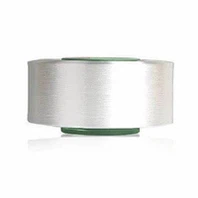
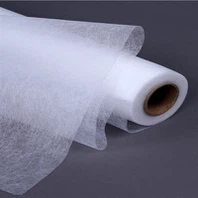
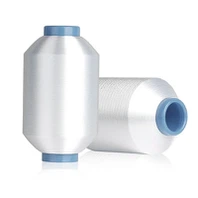
Hot Melt Yarn (HMY) is gaining popularity in textile manufacturing due to its numerous advantages. This innovative material, which contains adhesive components activated by heat, offers unique benefits in the industry. Here's a look at some of the advantages of using Hot Melt Yarn in textile production:

1. Enhanced Bonding:
Hot Melt Yarn provides a strong and secure bond between fibers. This improves the overall durability of the textile and prevents issues like fraying or unraveling.
2. Versatility:
HMY can be used with various textile materials, including natural and synthetic fibers, making it a versatile choice for a wide range of textile products.
3. Speed and Efficiency:
The heat-activated bonding process with Hot Melt Yarn is fast, leading to increased manufacturing efficiency. It reduces production time, ultimately saving costs.
4. Eco-Friendly:
HMY is often considered more environmentally friendly than traditional adhesives and bonding methods. It eliminates the need for harmful chemicals or solvents in the manufacturing process.
5. Design Freedom:
Designers have greater creative freedom when using Hot Melt Yarn. It allows for intricate patterns and bonding in various textile applications.
6. Consistency:
Hot Melt Yarn ensures consistent bonding, reducing the risk of uneven adhesion often associated with traditional bonding methods.
7. Improved Wear Resistance:
Textiles produced with HMY exhibit increased resistance to wear and washing, resulting in longer-lasting products.
8. Reduced Waste:
Compared to traditional bonding methods, HMY generates less waste, contributing to cost savings and reduced environmental impact.
9. Energy Efficiency:
The quick bonding process typically requires less energy, lowering production costs and energy consumption.
Hot Melt Yarn is revolutionizing textile manufacturing by providing a reliable, efficient, and eco-friendly solution for bonding various materials. Its versatility, speed, and eco-conscious attributes make it a go-to choice for many textile applications, from fashion and home textiles to industrial and automotive textiles.