

Polyester is one of the most commonly used weaving yarns. It is very sturdy and is available in a variety of colors and weights. It is known for its tensile strength and can be used in many different kinds of weaving, such as knitted fabrics and sewing thread. There are many advantages to weaving with polyester that make it a popular choice for many weavers. However, there are also some disadvantages.
Polyester is not very durable compared to cotton, silk or wool. Although it's a little weaker than these fibers, it's still too big for everyday use. Also, because polyester is expensive, it is not usually used in the fabric of everyday clothing. Instead, people use threads made of other materials to weave clothes. Since polyester is much weaker than other threads, woven garments require threads with higher strength than polyester itself.
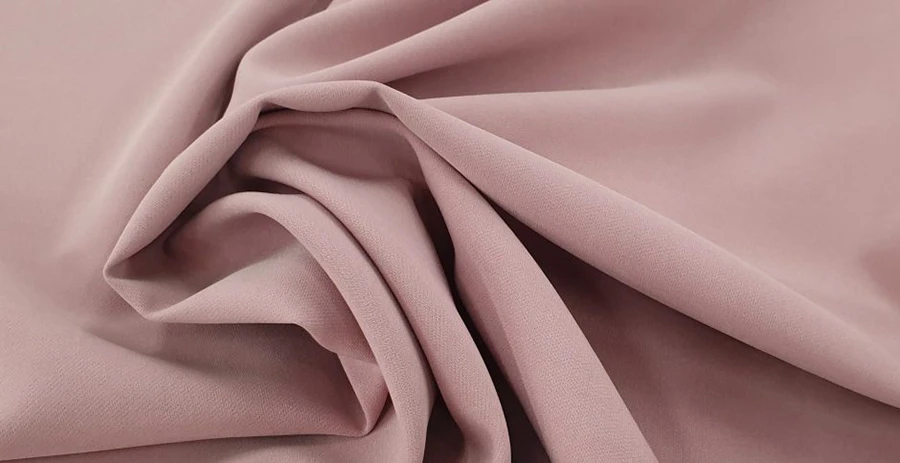
Another disadvantage of using polyester as a weaving material is the amount of work required to produce a fabric with a smooth, flat appearance. Even the best quality polyester yarn doesn't look completely flat when finished. This means that there are usually some lumps and bumps in the resulting weft. This downside is one of the downsides of using polyester in your knitting projects, even if you want a flat fabric. However, when making lightweight items like tablecloths or shirts, the flat look of polyester is preferable. It's also useful when you're trying to create heavier items such as sails.
Polyester is also a very difficult fiber to work with. Because of its strength, it can only be made into a certain amount of thread before it unravels. This means that once you make a mistake or decide to drop the project because it's too difficult, you have to start the process all over again. It also means that if you happen to mess up the knitting process, it's nearly impossible to find another polyester fabric that looks exactly like the one you started with.
Finally, another reason why using polyester as a weaving material is not a good idea is that the threads that can be used for polyester yarns don't change much compared to those that can be used for cotton threads. Cotton threads come in a variety of weights and thread counts. They can also be used to create a variety of textures, patterns and designs. Polyester threads are only designed for light duty applications and are often used to produce basic fabrics such as T-shirts or duds. You will rarely find patterns or designs specifically for polyester fabrics.


