

Achieving efficient bonding of hot melt yarn involves careful consideration of several factors, including material selection, processing conditions, and equipment. Here are key steps to ensure efficient bonding:
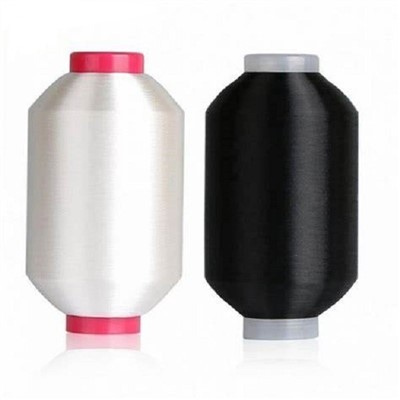 Material Selection:
Choose hot melt yarns with compatible materials. Ensure that the polymers used in the yarns have similar melting temperatures and bonding properties. This compatibility is crucial for achieving a strong and durable bond.
Surface Preparation:
Properly prepare the surfaces to be bonded. Clean and remove any contaminants, such as oils or dust, to ensure optimal adhesion. Surface preparation is critical for creating a strong bond between the hot melt yarn and the substrate.
Temperature Control:
Maintain precise control over the temperature during the bonding process. The temperature should be within the recommended range for the hot melt yarn being used. Too high or too low temperatures can affect the viscosity and bonding efficiency.
Pressure Application:
Apply appropriate pressure during the bonding process. Adequate pressure helps in ensuring intimate contact between the hot melt yarn and the substrate, facilitating a strong bond. The pressure applied should be uniform across the bonded area.
Dwell Time:
Allow sufficient dwell time for the hot melt yarn to melt and bond with the substrate. The dwell time is the duration during which the materials are in contact and under pressure. It allows the hot melt material to flow and create a cohesive bond.
Optimized Processing Speed:
Adjust the processing speed to achieve efficient bonding. The speed at which the hot melt yarn is applied or processed can impact bonding. Experiment with different speeds to find the optimal conditions for the specific yarn and application.
Avoid Overheating:
Avoid overheating the hot melt yarn, as this can lead to degradation of the polymer and affect bonding efficiency. Follow the manufacturer's recommendations regarding temperature limits and processing conditions.
Consistent Application:
Ensure consistent application of the hot melt yarn. Irregularities in the application process can result in uneven bonding. Use precision equipment and regularly inspect and maintain the machinery to ensure a uniform application.
Quality Control and Testing:
Implement quality control measures to monitor and test the bonded materials. Regular testing helps identify any issues early in the process and ensures that the final product meets the required standards for strength and durability.
Equipment Calibration:
Calibrate processing equipment regularly to maintain accuracy in temperature control, pressure application, and other critical parameters. Well-calibrated equipment contributes to consistent and efficient bonding.
By carefully considering these factors and optimizing the bonding process, manufacturers can achieve efficient and reliable bonding of hot melt yarns. It's important to conduct trials, test samples, and continuously monitor and adjust processing parameters to achieve the desired bond strength and product quality.


