

Hot melt yarn, known for its versatility and strength-enhancing properties, is often employed to enhance the performance of textiles. However, a pertinent question arises: does the incorporation of hot melt yarn affect the handfeel of textiles?
Understanding Handfeel in Textiles
Handfeel refers to the tactile perception experienced when touching a textile. It encompasses factors such as softness, smoothness, flexibility, and overall comfort. Achieving a desirable handfeel is crucial for determining the quality and appeal of textiles, especially in products worn close to the skin.
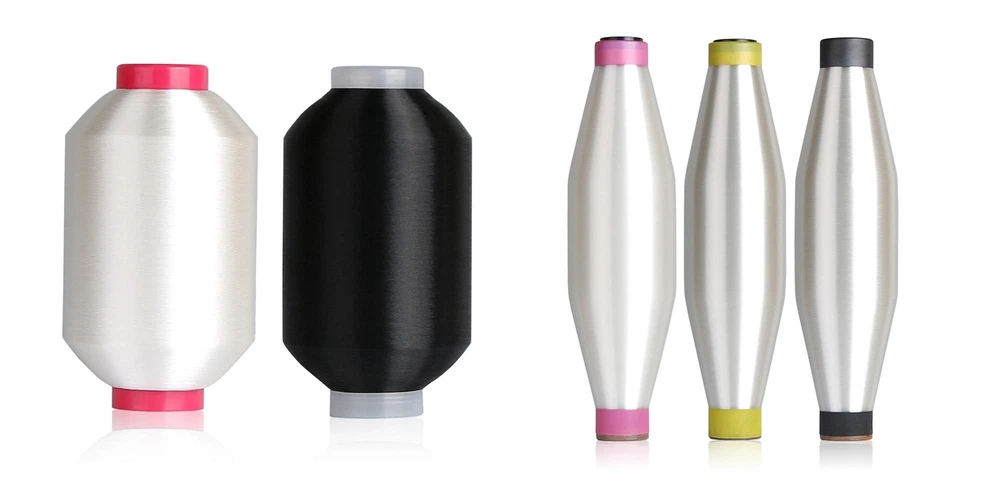
Impact of Hot Melt Yarn on Handfeel
The impact of hot melt yarn on the handfeel of textiles depends on several factors:
- Proportion: The amount of hot melt yarn used in a textile can influence its handfeel. Higher proportions of hot melt yarn might alter the fabric's drape and flexibility, potentially affecting the perceived softness.
- Type of Hot Melt Yarn: Different types of hot melt yarns with varying melting points and properties can lead to different handfeel outcomes. Some varieties might blend seamlessly with other fibers, maintaining or even enhancing the textile's softness, while others might introduce a subtle change in texture.
- Fabric Construction: The manner in which hot melt yarn is integrated into the fabric's structure plays a role. Strategic placement and weaving techniques can minimize the impact on handfeel.
- End Use: The intended application of the textile matters. For instance, in activewear or technical textiles, where durability and functionality take precedence, the influence of hot melt yarn on handfeel might be of lesser concern.
Balancing Performance and Handfeel
The incorporation of hot melt yarn doesn't necessarily lead to a negative impact on handfeel. In fact, it can enhance specific aspects. For instance, blending hot melt yarn with natural fibers can improve the fabric's strength without compromising comfort.
Designers and manufacturers often engage in a delicate balancing act between achieving desired performance attributes and maintaining an appealing handfeel. Collaborative efforts between material scientists, textile engineers, and designers are essential to ensure that hot melt yarn's functional benefits harmonize with the sensory experience of the end product.
In Conclusion
The impact of hot melt yarn on the handfeel of textiles is nuanced and depends on various factors. With careful consideration of material composition, proportion, and construction techniques, it's possible to leverage the strengths of hot melt yarn while preserving the desired handfeel. This underscores the importance of a holistic approach in achieving textiles that excel both in performance and sensory appeal.


