

Yes, melt spinning fibers can be dyed or colored. The ability to dye or color melt spinning fibers depends on the type of polymer used and its compatibility with different dyeing methods.
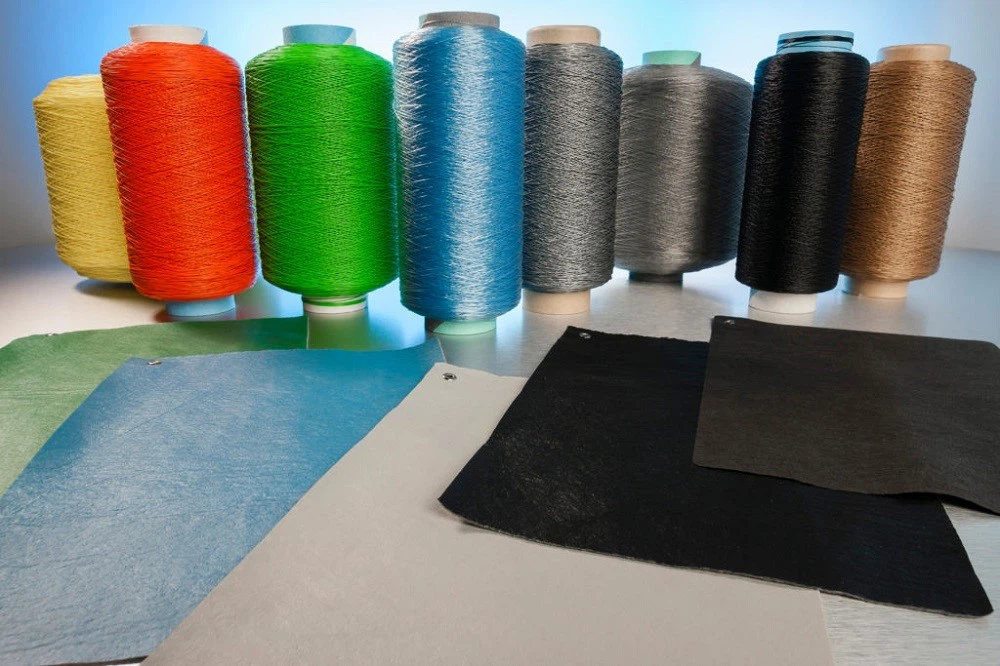
Most commonly used polymers for melt spinning, such as polyester, nylon, and polypropylene, have good dye affinity and can be easily dyed using various dyeing techniques. These fibers can be dyed using conventional dyeing methods such as batch dyeing, continuous dyeing, or piece dyeing. The dyeing process involves immersing the fibers in a dye solution or applying the dye using appropriate dyeing machinery.
Different types of dyes are available for dyeing melt spinning fibers, including reactive dyes, disperse dyes, acid dyes, and cationic dyes. The selection of the dye depends on the specific fiber material and the desired colorfastness and performance requirements.
In addition to dyeing, melt spinning fibers can also be colored during the manufacturing process by adding colorants or pigments to the polymer melt before extrusion. This allows for the production of fibers in a wide range of colors without the need for subsequent dyeing processes.
It's important to note that the dyeing or coloring performance of melt spinning fibers can be influenced by various factors, including fiber composition, molecular structure, and processing conditions. Proper dye selection, dyeing techniques, and process parameters are crucial to achieve desired coloration and colorfastness of the fibers.
Overall, melt spinning fibers can be effectively dyed or colored to meet the aesthetic requirements of various textile applications. Whether through dyeing processes or incorporating colorants during manufacturing, the fibers can be customized to achieve a wide range of vibrant and long-lasting colors.


