Products

Micro-Denier Hot Melt Yarn
Melting Point: 110℃
Specification: 50D/70D/100D/150D, etc.
Color: White
Application: Flat Knitting, Hosiery Knitting, Circular Knitting Machine, Warp Knitting Machine
Send Inquiry
Product Introduction
Micro-denier hot melt yarn is a fine-format, heat-activated polyester bonding yarn for textile structures where the bonding component should add as little bulk as practical. Available specifications include 100% polyester, a 110°C melting point, white color, and use on flat, hosiery, circular and warp knitting equipment. Final suitability should be confirmed on the intended fabric, machine and finishing process.
Why Use a Fine Hot Melt Yarn in Knitted Structures?
1
Lower Added Bulk
A finer bonding component is easier to integrate when the textile structure has limited space or a lighter construction.
2
Targeted Heat Bonding
The yarn can be placed only where thermal fixation or reinforcement is required instead of applying adhesive across the full textile surface.
3
Knitting-Line Integration
The application range covers flat knitting, hosiery knitting, circular knitting and warp knitting machines.

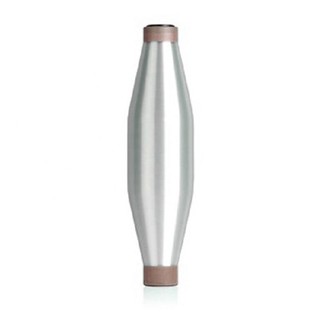
Polyester hot melt yarn supplied on cones for integration with textile processing.
Product Specifications
Use these specifications as the starting point for yarn selection, then confirm the result through a bonding trial on the intended textile.
| Material | 100% polyester |
|---|---|
| Melting point | 110°C |
| Denier series | 50D / 70D / 100D / 150D, etc. |
| Color | White |
| Equipment applications | Flat knitting, hosiery knitting, circular knitting and warp knitting machines |
Processing guidance: The melting point is a material reference. The correct machine setting depends on heat transfer, dwell time, pressure, fabric construction and the substrate around the bonding yarn.
How to Specify the Right Yarn for a Trial
For a useful recommendation, define the textile system before discussing price. A buyer should provide enough information to match yarn size and thermal behavior to the intended structure.
1. Identify the Host Textile
State the fiber composition, yarn structure, fabric weight or gauge, and whether the textile stretches during use.
2. Define the Bonding Task
Explain whether the yarn is intended for local fixation, edge control, shape retention, reinforcement or another heat-activated function.
3. Share Process Limits
Provide the heating method, available temperature range, contact time, pressure method and any later heat-processing steps.
4. Set Acceptance Criteria
Describe the required hand feel, appearance, flexibility and the mechanical or care tests used to approve the finished textile.
- Target denier or current yarn reference
- Knitting machine type and gauge
- Host yarn and fabric composition
- Bond location within the structure
- Heating, time and pressure window
- Required finished-product testing
Application Fit by Knitting Process
| Knitting process | What the buyer should evaluate | Why a fine bonding yarn may be considered |
|---|---|---|
| Flat knitting | Gauge, feeder compatibility, placement and activation after knitting | For controlled integration into selected zones of a shaped knitted panel |
| Hosiery knitting | Loop formation, stretch recovery and feel after activation | Where low added bulk is important in a close-fitting structure |
| Circular knitting | Feed stability, fabric density and uniformity around the tube | For distributing a heat-activated component through a knitted construction |
| Warp knitting | Guide compatibility, yarn path and dimensional response after heating | For planned fixation within a stable, engineered yarn arrangement |
Build a Reliable Heat-Bonding Window
Start Small
Knit or place the yarn in a representative sample using the intended host material.
Run a Matrix
Change one process variable at a time across temperature, time and pressure.
Inspect the Result
Check bonding, surface appearance, stiffness, penetration and fabric distortion.
Validate End Use
Test the activated sample under the care and mechanical conditions required by the finished product.
Need a Denier and Process Recommendation?
Send your host material, knitting method, target yarn size, heat-setting conditions and required quantity for a focused review.
Incoming Material and Trial Checks
Procurement teams can reduce scale-up risk by agreeing on a reference sample and inspection points before bulk ordering. The checks should reflect the finished product rather than rely only on the cone label.
Identity Check
Confirm material description, yarn specification, color and lot information against the approved order.
Handling Check
Inspect cone condition and run the yarn through the intended feeder path to identify unwinding or feed issues.
Activation Check
Use the agreed fabric and process matrix to compare thermal response with the approved reference.
Appearance Check
Review show-through, gloss, flattening and unwanted adhesive migration after heat activation.
Performance Check
Apply the buyer's bond, flex, care or dimensional tests to the finished textile sample.
Scale-Up Record
Record machine, temperature, time, pressure and sample construction so the approved result can be repeated.
Related Product and Technical Resources
Use these pages to compare material families, denier references and thermal-bonding considerations before requesting a sample.
Frequently Asked Questions
What does micro-denier mean when sourcing hot melt yarn?
It describes a fine yarn format intended to limit added bulk in a textile structure. Because naming conventions can differ, buyers should specify the required denier and construction rather than approve the product from the name alone.
Is 110°C the correct machine setting?
Not necessarily. The listed melting point is 110°C, but machine settings also depend on heat transfer, dwell time, pressure, fabric thickness and substrate sensitivity. Establish the setting with a controlled trial.
Which yarn sizes are listed for this polyester series?
The listed series includes 50D, 70D, 100D and 150D, with additional specifications indicated. Confirm the exact available construction and its suitability when requesting a quotation or sample.
Can the yarn run on every knitting machine?
Suitable equipment includes flat, hosiery, circular and warp knitting machines. Actual compatibility still depends on gauge, guides, feeder path, tension settings and the selected yarn size.
How should a buyer compare fine and heavier hot melt yarns?
Compare feed behavior, coverage, bond formation, stiffness and visual impact in the same textile construction. A finer yarn can reduce bulk, but the required bond and processing stability must still be demonstrated.
What information is needed for a sample recommendation?
Provide the host material, knitting machine and gauge, target denier, location of the bonding yarn, heating method, process limits, required quantity and the tests used to approve the finished product.
Hot Tags: micro-denier hot melt yarn, factory, wholesale, buy, price, 100D Polyester Hot Melt Yarn, 150D Polyester Hot Melt Yarn, 100 Polyester Hot Melt Yarn, Elastic Fabric Polyester Hot Melting Yarn, Polyester Thermal Fuse Yarn, Bundy Line Polyester Hot Melt Yarn
Previous:
High-Purity Hot Melt Yarn
Next:
100D White Hot Melt Yarn
Send Inquiry