Products


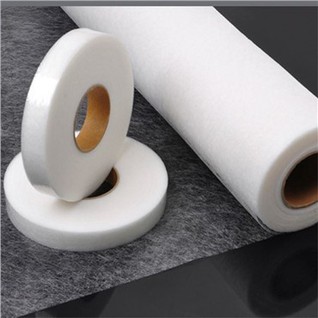
Copolyamide Hot Melt Mesh Film
• Open mesh construction
• Published melt range: 120–130°C
• Pressing range: 130–150°C
• Pressing time: 10–15 seconds
• Width range: 5–3,200mm
• Roll length: 100 yards
• Published weight range: 8–150g
• White web appearance
• Custom sizing subject to review
Send Inquiry
Product Introduction
PA Hot Melt Adhesive Web
Copolyamide Hot Melt Mesh Film
A white, open fibrous copolyamide adhesive web supplied in rolls for heat-and-pressure lamination. Available widths and web weights support textile, foam and composite-material bonding.
Open mesh structure120–130°C melt range5–3,200mm width100 yd/roll

Polymer familyCopolyamide / PA
Physical formOpen adhesive web
Pressing range130–150°C
Pressing time10–15 seconds
Product Specifications
Confirm the selected width, web weight and processing conditions with a production-representative sample before bulk approval.
| Product | Copolyamide hot melt mesh film |
|---|---|
| Material family | Copolyamide hot melt adhesive |
| Structure | Open fibrous web / mesh |
| Appearance | White web |
| Web weight range | 8–150 g |
| Available width | 5–3,200 mm |
| Roll length | 100 yards per roll |
| Customization | Dimensions subject to order review |
Lamination Parameters
Melting temperature120–130°C
Pressing temperature130–150°C
Pressing time10–15 s
Open Adhesive Web Structure
The random fibrous network provides discontinuous adhesive coverage with open spaces between strands.

Copolyamide Mesh / Web
Random strands create discontinuous adhesive coverage. Specify web weight, width and the materials being laminated.
Continuous Hot Melt Film
A solid sheet creates continuous adhesive coverage. Film products require their own thickness and process specification.
Web vs Film Selection
Choose by substrate, coverage requirement, lamination method and finished-product tests. Web, mesh and film require different specifications.
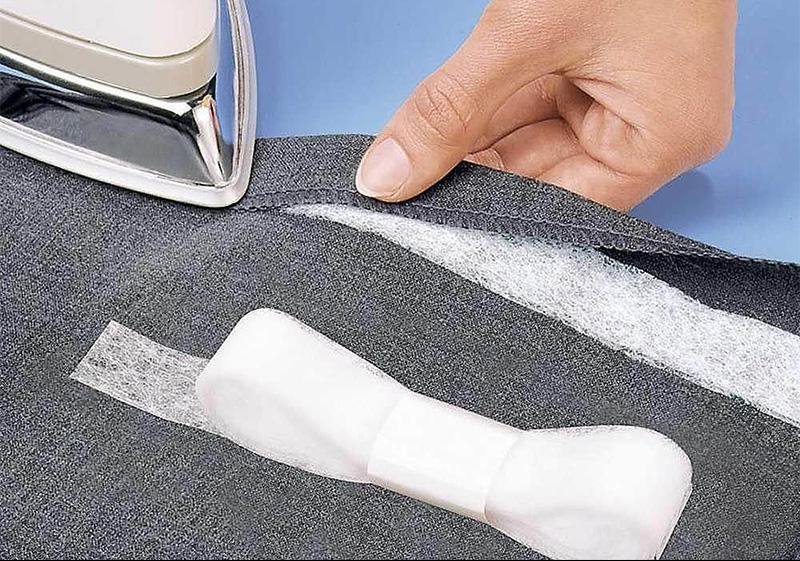
Heat-Lamination Process
Set the final lamination conditions according to material thickness, heat transfer, pressure and cooling.
Define the Laminate
Identify both substrates, their thicknesses, surface condition and the required finished performance.
Select Web Format
Confirm web weight, roll width and cut width for the target coverage and equipment.
Run a Controlled Trial
Record temperature, pressure, dwell time and cooling method on representative materials.
Approve the Result
Inspect appearance and apply the buyer's bond, aging, cleaning or end-use test before bulk production.
Recommended Applications
Compatibility depends on the substrate pair and production process. Test the selected grade with the intended materials before bulk production.
Automotive Interior Materials
Evaluate bonding between textile, foam, nonwoven or insulation layers used in interior composite structures.
Home Textiles & Upholstery
Trial lamination for curtains, mattress materials, cushions and fabric-to-foam constructions.
Footwear & Bags
Assess shoe materials, linings, synthetic leather and multi-layer bag constructions.
Foam & Insulation
Confirm adhesion and processing behavior with foam, fibrous insulation and layered composite materials.
Filter Composites
Evaluate bonding with nonwoven and activated-carbon layers without assuming filtration performance.
Furniture Components
Trial textile, foam, board or decorative-material combinations under the intended pressing process.
Trial and Quality Checks
Set acceptance criteria around the actual laminate rather than judging the adhesive web alone.
- Web weight and width
- Roll and edge condition
- Substrate compatibility
- Thermal response
- Bond coverage
- Surface appearance
- Peel or bond test
- Required cleaning or aging test
Information Required for Sampling and Quotation
Material and Process
- Two materials to be laminated
- Layer thickness and surface condition
- Heating and pressing equipment
- Target temperature, pressure and time
Web and Order
- Required web weight
- Roll or cut width
- Sample or production quantity
- Destination country and delivery schedule
Frequently Asked Questions
Is this product a continuous adhesive film?
No. This product uses an open random-fiber adhesive web rather than a continuous sheet. Specify the required web weight and width for the intended laminate.
What processing temperatures are recommended?
The melting range is 120–130°C. The pressing range is 130–150°C with a pressing time of 10–15 seconds. Set final conditions through substrate-specific testing.
Which widths are available?
Available widths range from 5 to 3,200 mm. Provide the required roll or cut width, web weight and order quantity with the inquiry.
Can one setting be used for every substrate?
No. Heat transfer and bond formation vary with substrate type, thickness, moisture, surface condition, pressure, dwell time and cooling. Test representative materials before bulk production.
What should be included with a sample request?
Include both substrate materials, the lamination method, required web weight and width, test requirements, estimated quantity and destination country.
Request a Copolyamide Web Sample
Send the substrate pair, web weight, width, process conditions, quantity and destination for review.
Hot Tags: copolyamide hot melt mesh film, PA hot melt adhesive web, polyamide adhesive mesh, textile lamination web, hot melt web roll, copolyamide bonding web, PA Hot Melt Lining Cloth Film, PA Hot Melt Adhesive Web, Breathable PA Hot Melt Web, PA Hot Melt Adhesive Net Cloth Film, Polyester Hot Melt Yarn, Hot Melt Yarn
Send Inquiry